
Table of Contents
Key Takeaways
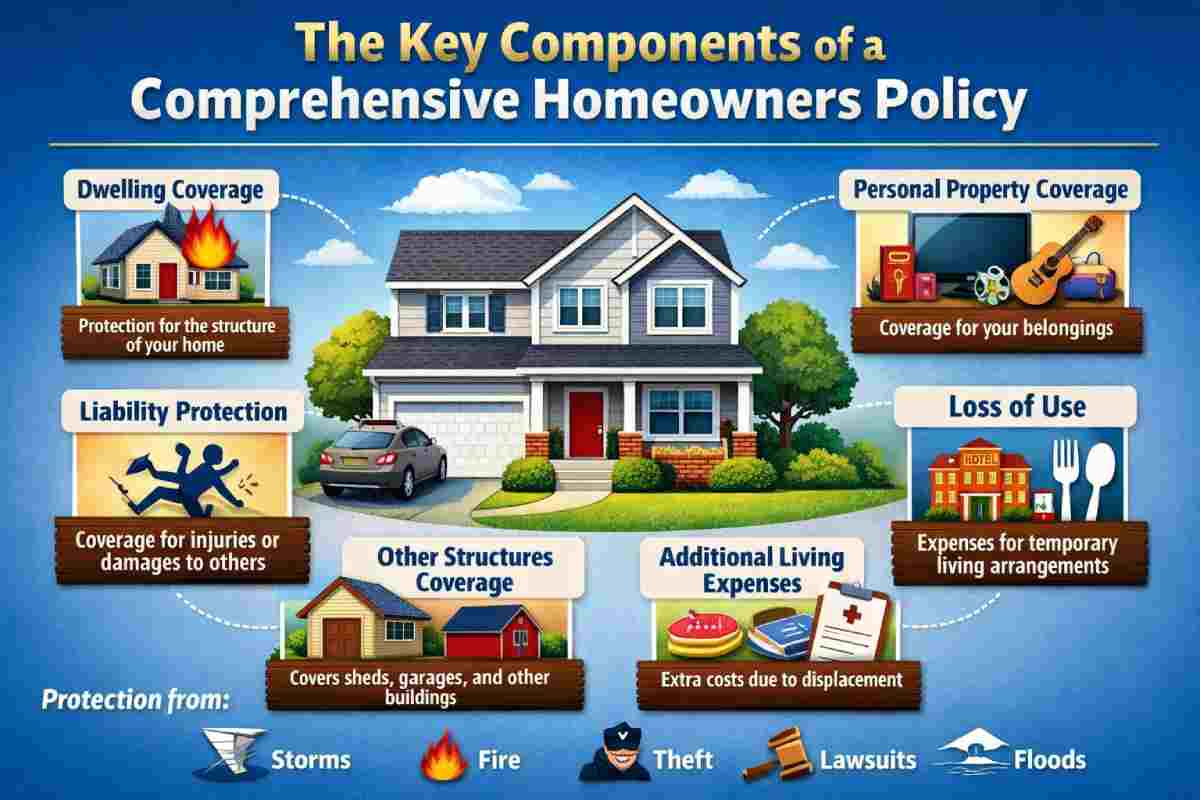
- Dwelling coverage protects the physical structure of your home, ideally at replacement cost.
- Personal property coverage safeguards belongings, with special endorsements for high-value items.
- Liability protection covers legal expenses if someone is injured or property is damaged.
- Additional Living Expenses (ALE) help with temporary housing and living costs if your home is uninhabitable.
- Medical payments coverage quickly covers minor guest injuries, reducing the risk of lawsuits.
- Endorsements like flood, earthquake, or scheduled personal property insurance fill gaps in standard policies.
- Premiums depend on home age, construction, location, safety features, deductible, and personal factors.
- Regular policy reviews ensure coverage stays adequate as your home, belongings, and circumstances change.
- Understanding and customizing your policy provides peace of mind and financial protection for unexpected events.
Introduction
Owning a home represents far more than just a roof over your head; it is a landmark financial and personal accomplishment that often marks the beginning of a new chapter in life. This milestone, while rewarding, brings significant responsibilities, chief among them protecting your investment from unforeseen risks and costly losses. Securing a comprehensive homeowners policy is an essential step in maintaining peace of mind, as it ensures that the place where you and your loved ones create memories stays safe from a range of threats. Understanding the essential components of homeowners’ insurance empowers you to make informed decisions and find coverage tailored specifically for your circumstances. For those seeking reliable and adaptable options, the The Hartford AARP homeowners insurance program is consistently praised by homeowners age 50 and over for its robust protection and flexibility.
Many homeowners are surprised to discover what their policy does and does not cover only after disaster strikes. That’s why it’s crucial not just to buy insurance, but to understand it thoroughly. Knowing the specifics of your policy, including covered perils, exclusions, and coverage limits, helps you identify gaps that could leave you financially exposed. Comparing your policy to industry standards and evaluating risks unique to your location, such as weather patterns, crime rates, or local construction trends, ensures your coverage is truly sufficient and competitively priced.
Dwelling Coverage
Dwelling coverage is the bedrock of any homeowners’ policy. It insures the physical structure of your home, including not just the main living areas, but attached structures such as garages, porches, built-ins like cabinets, and even major appliances if they are built in. When disasters like fire, hail, lightning, or windstorms cause physical damage, this coverage provides the funds needed for repairs or an entire rebuild, if necessary. Critically, your coverage limit should be set at the replacement cost, the amount it would take to rebuild your home to its current condition with similar materials and workmanship rather than the market value. Market values can be influenced by local economic conditions and fluctuate, whereas reconstruction costs are typically more stable and reflect your true rebuilding expense. Overlooking this distinction may leave you underinsured when disaster strikes, forcing you to pay out of pocket for costly repairs or a rebuild.
Additionally, updates or improvements to your home, like adding new rooms, renovating your kitchen, or updating electrical systems, should prompt a review and possible adjustment to your dwelling coverage, ensuring any increase in replacement cost is properly insured.
Personal Property Coverage
Your home does more than shelter you; it safeguards the personal property you’ve accumulated over the years. Personal property coverage protects belongings such as furniture, electronics, clothing, sports equipment, kitchenware, and many other everyday and cherished items. This provision kicks in if your items are lost or damaged by fire, theft, vandalism, or other covered incidents. Choosing the right amount of coverage requires a thorough home inventory. List your valuables, note their estimated value or replacement cost, and, when possible, take photos or keep receipts to make the claims process smoother. Be aware that standard policies may limit reimbursement for high-ticket items like jewelry, collectibles, or specialized electronics, often capping it at amounts below the items’ value. To ensure you’re not left with gaps, consider special endorsements or “floaters” that provide extra coverage for unique, valuable possessions.
For those with extensive home offices, sports equipment, instruments, or hobby collections, regularly assess the value of these items and adjust your personal property coverage, as they may exceed the default limits of a basic policy.
Liability Protection
Owning a home can expose you to legal liability if a guest is injured on your property or if you accidentally damage someone else’s property. Liability protection is a key part of homeowners’ insurance, stepping in to cover legal expenses, court judgments, and settlements should you be found legally responsible. This might include slip-and-fall accidents, dog bites, or accidents involving children or guests. Importantly, many policies extend liability coverage to certain incidents that occur away from home, offering protection even when you’re not physically on your property. Because medical care and legal claims can quickly become expensive, it’s wise to carry coverage amounts high enough to protect your savings and assets from large lawsuits. Some homeowners also select umbrella insurance for extra liability protection over and above standard policy limits.
Additional Living Expenses (ALE) Coverage
If a serious covered event, such as a fire or severe storm, leaves your house unlivable, Additional Living Expenses (ALE) coverage is your safety net. ALE helps pay for the costs associated with temporary housing, such as hotel rooms or short-term rentals, plus extra food expenses and other increased costs of living while your primary home is being repaired or rebuilt. It can also include costs for temporary pet boarding and laundry services required due to displacement. Policyholders should pay close attention to the insurer’s daily or aggregate monetary limits and time constraints. Exceeding these limits can result in significant out-of-pocket expenses, so knowing these details in advance allows you to budget and plan more effectively in an emergency.
Reviewing and updating your ALE coverage can provide peace of mind that, if disaster strikes, your family won’t face undue hardship while your home is being restored.
Medical Payments Coverage
Separate from liability coverage, medical payments coverage provides a streamlined way to address minor guest injuries that happen on your property, regardless of who was at fault. This benefit is designed to cover modest medical expenses, such as doctor’s visits, ambulance fees, X-rays, or minor treatments. Although the coverage limit is typically much lower than that for liability, this provision can help quickly resolve incidents and minimize the likelihood that claims will escalate into lawsuits. By promptly and compassionately treating minor injuries, you foster goodwill, minimize stress for you and your guests, and potentially reduce the risk of litigation over minor accidents.
Additional Coverages and Endorsements
Standard homeowners policies are foundational, but they do not account for every type of risk. Depending on where you live, what you own, and your personal risk profile, you may need to augment your policy with supplemental coverages or endorsements tailored to your needs. Examples include:
- Flood Insurance: Flooding is one of the costliest disasters and, aside from a few rare cases, is not covered by basic homeowners insurance. If your property is in or near a flood zone, or if local weather patterns suggest increasing flood risk, you’ll need to purchase separate flood coverage.
- Earthquake Insurance: If your home is near active fault lines or within a region at risk of seismic activity, earthquake insurance is vital. Standard home insurance policies almost never cover earthquake damage, so a separate endorsement or standalone earthquake policy is recommended to fill this gap.
- Scheduled Personal Property: For especially valuable or unique items artwork, antiques, musical instruments, rare collections, and high-end jewelry, special scheduling is usually necessary to ensure these are insured to their true value, often with lower deductibles and broader protections than standard personal property clauses provide.
By custom-tailoring your policy through endorsements, you protect against unique hazards that could otherwise jeopardize your family’s finances and peace of mind.
Factors Influencing Premiums
Insurance premiums are calculated based on a variety of factors unique to you and your property. Elements such as the age, construction type, and location of your home play major roles; older homes or those built with less durable materials often cost more to insure. Geographic risk, including proximity to coastlines, floodplains, or wildfire zones, can significantly affect premium costs. Conversely, properties with upgraded utilities, modern safety features, or built-in fire resistance may benefit from discounts.
Your policy’s deductible, the amount you pay out of pocket before your insurer contributes, also influences your rate, with higher deductibles leading to lower premiums. Other considerations include your personal claims history, credit score (in some states), and the presence of home security systems. Knowing these variables helps you find a balance between robust protection and affordable rates. Regularly reassess your home insurance needs and shop around to take advantage of policy discounts and better rates.
The Importance of Regular Policy Reviews
Your insurance needs change as your life and home evolve. Whether you’ve completed a major renovation, acquired expensive new belongings such as electronics or jewelry, or relocated to an area with different climate-related risks, reviewing your coverage annually is wise. Life changes, such as a new baby, starting a home business, or improving home security, can also affect the adequacy of your policy. Regular reviews help to uncover gaps, outdated information, or better offers, and give you the opportunity to update endorsements or raise coverage amounts if needed, keeping you secure as circumstances change.
Final Thoughts
A comprehensive homeowners insurance policy is foundational to protecting your home and overall financial stability. By clearly understanding every component, identifying when you need additional coverage, and making a habit of annual policy reviews, you’re far better positioned to withstand the unexpected. Proactive management not only gives you peace of mind but also provides the tangible security you and your family deserve today and well into the future.