
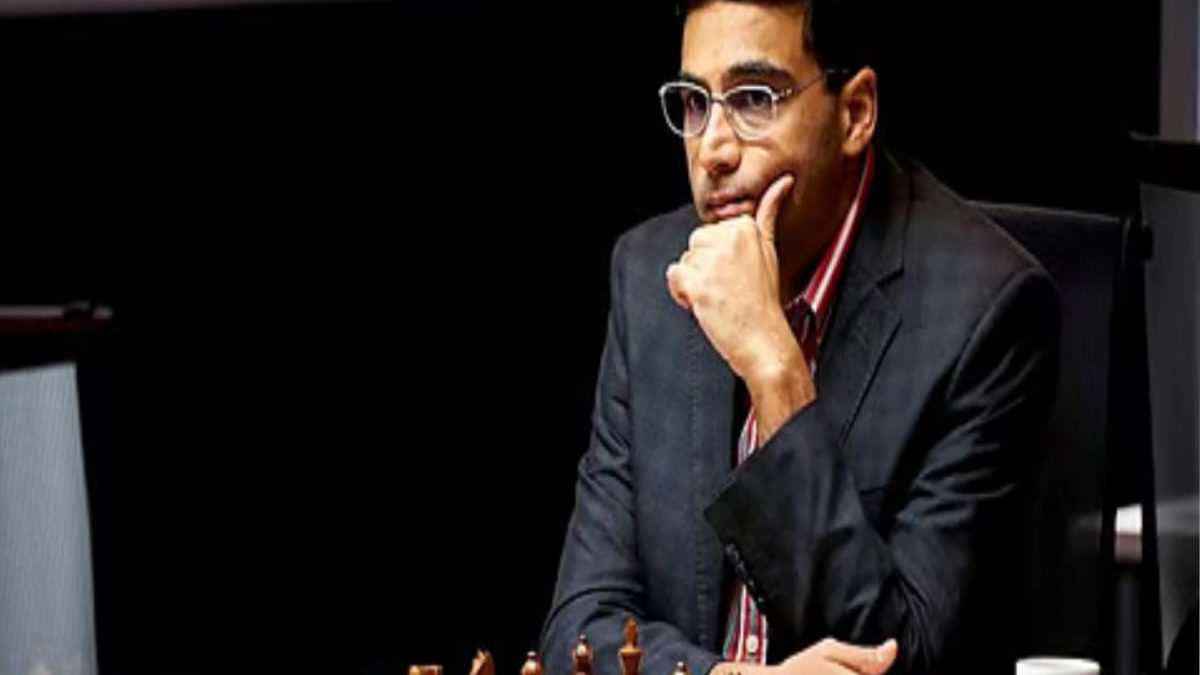
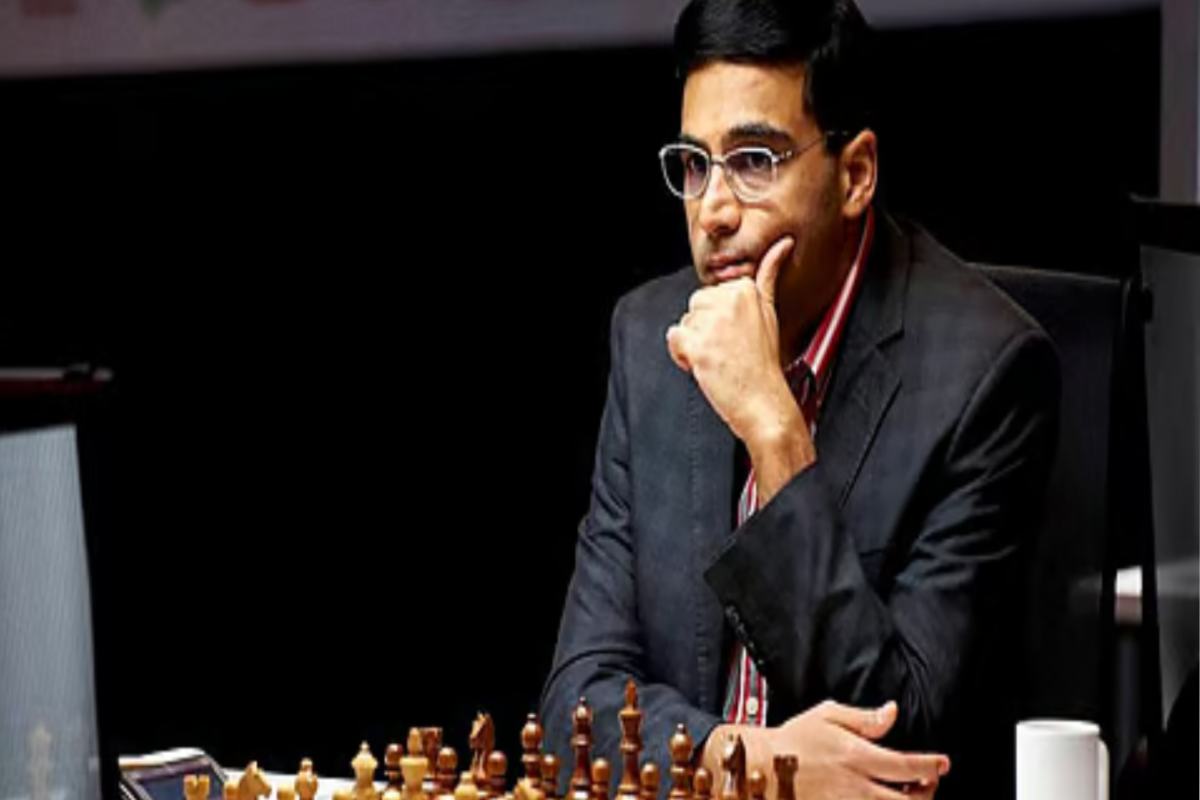
India’s chess story has shifted from isolated brilliance to a full-scale movement, and the name at the centre of that change is Viswanathan Anand. For beginners, the “boom” can look sudden: teenagers playing world-class events, packed academies, and national teams winning on the biggest stages. Yet the momentum has been building for years through a clear pathway of role modelling, structured training, and a generation that believes global titles are realistic.
Table of Contents
India’s Chess Boom Inspired by Viswanathan Anand – Quick Answer
India’s chess boom is closely linked to Viswanathan Anand’s impact as a five-time world champion and as a mentor who helped create a clearer development pathway for top juniors. A major proof point came at the 45th Chess Olympiad in Budapest, Hungary, where India won gold in both the men’s and women’s events, led by a deep lineup of established and emerging stars, while rising online interest, including searches for parimatch login, reflects how chess fans increasingly engage with the game digitally.
From One Superstar to a System: Why Anand’s Influence Scaled
Anand became India’s first true chess superstar, but his bigger legacy is that he helped make excellence repeatable. A single champion can inspire; a working system produces a wave. That difference matters for newcomers deciding whether chess is a casual hobby or a serious pursuit.
At 54, Anand still carries the authority of a five-time world champion, yet his most visible impact today is as a mentor and organiser. He established the Westbridge Anand Chess Academy (WACA) in Chennai in 2020, during the COVID-19 pandemic. The timing highlights long-term commitment: building a training ecosystem is difficult even in normal conditions.
WACA’s purpose was practical. Indian players were reaching the top 200 consistently, but not breaking into the top 100 in the same way. The academy supports the most talented youngsters and helps them cross the final stretch into the world elite.
The Budapest Breakthrough: What the 45th Olympiad Meant for India
India’s sweep at the 45th Chess Olympiad in Budapest, Hungary, changed the conversation from potential to proof. Gold in both the men’s and women’s divisions convinced families, schools, and sponsors that chess is not a niche pursuit.
The men’s gold came through a lineup that already feels like a preview of the next decade: D Gukesh, R Praggnanandhaa, Arjun Erigaisi, Vidit Gujrathi, and P Harikrishna. They finished ahead of top-seeded USA and Uzbekistan, proving this was not a lucky run.
The women’s team completed the sweep with Harika Dronavalli, R Vaishali, Divya Deshmukh, Vantika Agrawal, and Tania Sachdev, finishing ahead of Kazakhstan and the USA.
In the previous Olympiad in Chennai, both Indian teams had won bronze. That step from bronze to gold illustrates how fast India’s chess depth has grown.
The “Smelling Gold” Mindset: Confidence as a Competitive Skill
Anand’s pre-tournament line, “If you had to roll the dice, these are pretty good teams to roll them with,” captures a shift in Indian chess culture. Beginners often think chess is only calculation; elite chess also runs on belief, preparation, and emotional control.
Being close is not the same as finishing. In Budapest, India converted near-misses into titles, highlighting that improvement is rarely linear, and near-misses often become the training ground for breakthroughs.
WACA and the New Pipeline: Who Trained There and Why It Matters
WACA in Chennai became a focal point because several of India’s brightest names trained there: Gukesh, Praggnanandhaa, Erigaisi, and Vaishali. Their crediting of “Vishy sir” signals a development environment that works.
Early serious training now begins in India at a young age. Anand deliberately supported youngsters who became Grandmasters before 14 and helped them transition from top juniors to world-class competitors. His initial group included Praggnanandhaa and Gukesh, with Arjun joining later; Vaishali was part of the core on the girls’ side.
This structured approach led FIDE to call Anand the “father of Indian chess boom,” a label tied to outcomes and continuity, not hype.
A Beginner’s View: What “Academy Support” Actually Changes
Structured support reduces wasted effort. Players learn to build study loops that produce steady rating gains.
- Clear priorities: openings for playable positions, not just tricks.
- Regular review: analysing losses to find repeat mistakes.
- Integration: parents, personal coaches, and academy guidance aligned.
- Competitive planning: choosing events and time controls that match development goals.
Why the Boom Feels Bigger Than Chess in India
Chess now sits more comfortably in India’s wider sports conversation. Olympiad gold in both sections makes it a national sports story.
Recognisable narratives also help. After Gukesh became the youngest Candidates challenger, Garry Kasparov’s line, “the children of Vishy Anand are on the loose!”, framed India’s rise as a generational wave rather than a lone genius.
Chess is holding attention because the story is easy to follow: young talent, strong teams, and major titles.
How to Start Chess in India with a “Golden Generation” Mindset
Beginners should prioritise habits over openings. Use the Chennai-to-Budapest arc as a template: bronze in Chennai showed India belonged; gold in Budapest showed India could finish.
- Play slower games weekly to think, not just react.
- Analyse every loss and write down one repeatable lesson.
- Learn basic endgames early to convert advantages into points.
- Study a small opening set deeply instead of many openings shallowly.
- Track progress monthly, not daily, to avoid emotional swings.
Key Names from the Olympiad Gold Squads to Follow
Following top players helps beginners learn patterns: piece development, trades, and handling pressure.
- Open team: D Gukesh, R Praggnanandhaa, Arjun Erigaisi, Vidit Gujrathi, P Harikrishna.
- Women’s team: Harika Dronavalli, R Vaishali, Divya Deshmukh, Vantika Agrawal, Tania Sachdev.
India won with depth across boards, not relying on a single player.
Anand’s Most Underrated Lesson: Share Credit, Build Continuity
Anand emphasises sustainable growth: sharing credit with parents and early coaches, and building continuity around players.
Improvement is rarely a solo project. Supportive environments, correcting coaches, and peers create consistency, and consistency turns talent into results.
Anand continues competing, including winning the Leon Masters in Spain months before the Olympiad. This keeps his mentorship grounded in current realities.
India’s chess boom is not a coincidence. Planning plus rapid acceleration creates a “golden generation.”
Also Read: Smart Savings: How Young Buyers Can Afford Their First Home