
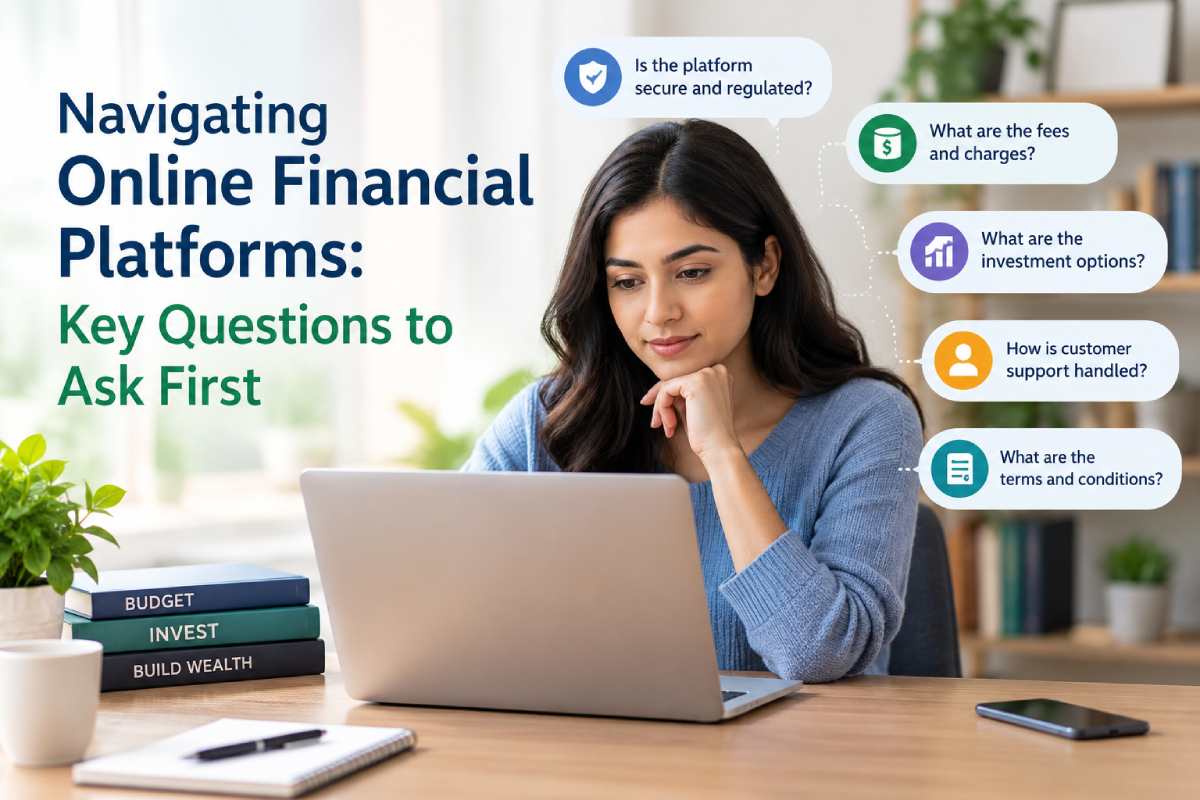
Online financial platforms promise a whole lot—faster transactions, easy access to investments, real-time market updates, and the freedom to manage your money from your phone while waiting for your coffee. Sounds great, right? Still, before you sign up, deposit your hard-earned cash, or start clicking around, there are a few important questions worth asking.
Table of Contents
Who’s Actually Behind the Platform?
First things first, find out who runs the show. A financial platform should clearly identify its operating company, provide verifiable contact details, and explain where it’s registered. Check whether the company is authorized by the relevant financial regulator in your country, especially if it offers investment services, trading, or payment facilities. Why does this matter? Because a professional-looking website tells you very little about the people handling your money. Scammers are perfectly capable of building attractive websites, posting glowing testimonials, and advertising impressive returns. Look up the company independently through official regulatory websites, check for warnings, and verify that the website address matches the registered business. Your first rule: If you struggle to establish who runs the platform, keep your wallet closed until you get clear answers.
What Will It Actually Cost You?
Those advertised fees deserve a closer look. Some platforms charge account maintenance fees, transaction fees, withdrawal fees, currency conversion charges, or inactivity penalties, and these expenses often appear in different sections of the terms and conditions. Ask for a complete breakdown before committing any money. If you’re investing across international markets, check the exchange rate markup, since a small percentage added to every currency conversion gradually eats into your balance. Traders should also investigate spreads, overnight financing charges, and commissions, depending on the products they use. The reason all of this is of significance is because repeated small charges add up, reducing the money available for saving, investing, or paying bills. A platform that looks inexpensive at first glance could turn out to be surprisingly costly once you start using it regularly.
How Safe Is Your Money and Personal Information?
Signing up for a financial account usually involves sharing sensitive information, including identification documents, bank details, and sometimes tax information. Before handing any of that over, check the platform’s security measures. Look for multifactor authentication, encrypted connections, login alerts, and clear procedures for reporting suspicious activity. Find out how the company stores your information, who has access to it, and whether it shares your data with third parties. You should also investigate what happens if the company runs into financial trouble. Depending on the platform, your account balance could have different legal protections, and investment compensation schemes often come with specific eligibility rules and limits.
How Easy Is It to Get Your Money Back Out?
Depositing money often takes just a few clicks, which makes it tempting to assume withdrawals work the same way. Before signing up, check the withdrawal process, expected processing times, minimum withdrawal amounts, and any associated fees. Read the rules around pending transactions, identity verification, and account closures, too. Some checks are legitimate safeguards against fraud, while unexpected demands for extra payments before releasing funds deserve serious scrutiny. Here’s a useful test: Search for independent customer complaints about delayed withdrawals and frozen accounts. Look for recurring patterns rather than treating one unhappy review as proof of wrongdoing. Why does this matter? Access to your own money is a basic part of managing your finances, and understanding the rules beforehand helps you avoid nasty surprises when you need cash urgently.
Do You Understand the Products You’re Signing Up For?
Financial platforms offer everything from savings accounts and long-term investments to high-risk trading products, each carrying its own costs, rules, and potential losses. Before signing up, make sure you understand how a product works, where potential returns come from, and what happens when the market moves in the wrong direction. Take Contracts for Difference (CFDs), for example, a type of financial derivative that lets traders speculate on price movements without owning the underlying asset. When exploring CFD forex trading, which involves speculating on currency price movements through CFDs, pay close attention to leverage, since it magnifies market exposure and increases the risk of substantial losses. A small price movement against your position could quickly turn into a much larger financial hit, especially when you trade with borrowed exposure. Before putting money on the line, check whether the platform provides clear product explanations, demo accounts, and detailed risk warnings. These resources help you understand how trades work, what fees apply, and how quickly losses could accumulate. Why does this matter? Because knowing the product inside out helps you assess its risks realistically, choose options that suit your experience and financial goals, and avoid committing money you cannot afford to lose.
What Happens When Something Goes Wrong?
Even reputable platforms experience technical problems, delayed transactions, and account access issues. The important question is how the company responds when customers need help. Check its support hours, available contact methods, complaint-handling procedure, and escalation options. Search for independent feedback about how the company handles difficult cases, especially disputes involving missing funds or unauthorized transactions. Before depositing money, locate the official support channels and save the relevant contact details. Keep copies of transaction confirmations, account statements, and important correspondence, too, because proper records make disputes easier to investigate. Why take these precautions? Because when support is difficult to reach, a minor account problem could grow into a major financial headache, particularly if a payment deadline is approaching.
Do the Rules Match Your Financial Goals?
Take a step back and consider whether the platform fits your actual needs. Someone looking for a straightforward savings account has very different priorities from a person investing for retirement or trading international currencies. Read the account terms, check eligibility requirements, understand deposit and withdrawal limits, and review the platform’s available products. Set a budget before funding the account, and decide how much money you’re comfortable putting at risk. A little preparation goes a long way because choosing a platform that matches your goals helps you manage costs, maintain access to your funds, and avoid products that stretch your financial limits.
A Few Minutes of Checking Now Save a Lot of Trouble Later
Before committing, verify the provider, calculate the fees, examine security protections, test your understanding of the products, and read the withdrawal rules. Those simple checks give you a clearer picture of what you’re signing up for, helping you spot warning signs before they become expensive lessons.
So take your time, ask direct questions, and trust verifiable evidence over flashy promises. When you know who handles your money, understand the risks, and have a plan for accessing your funds, you’re in a much stronger position to make smart financial decisions and protect your hard-earned cash.
Also Read: Navigating Digital Transformation in the Media Entertainment Industry