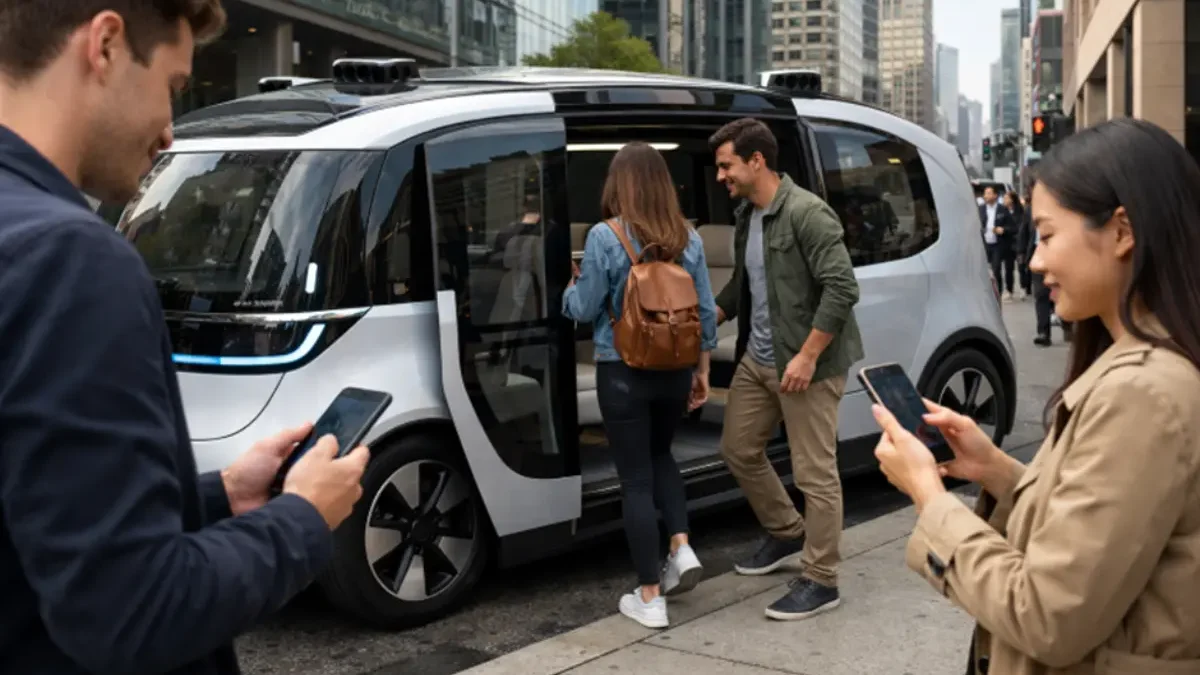
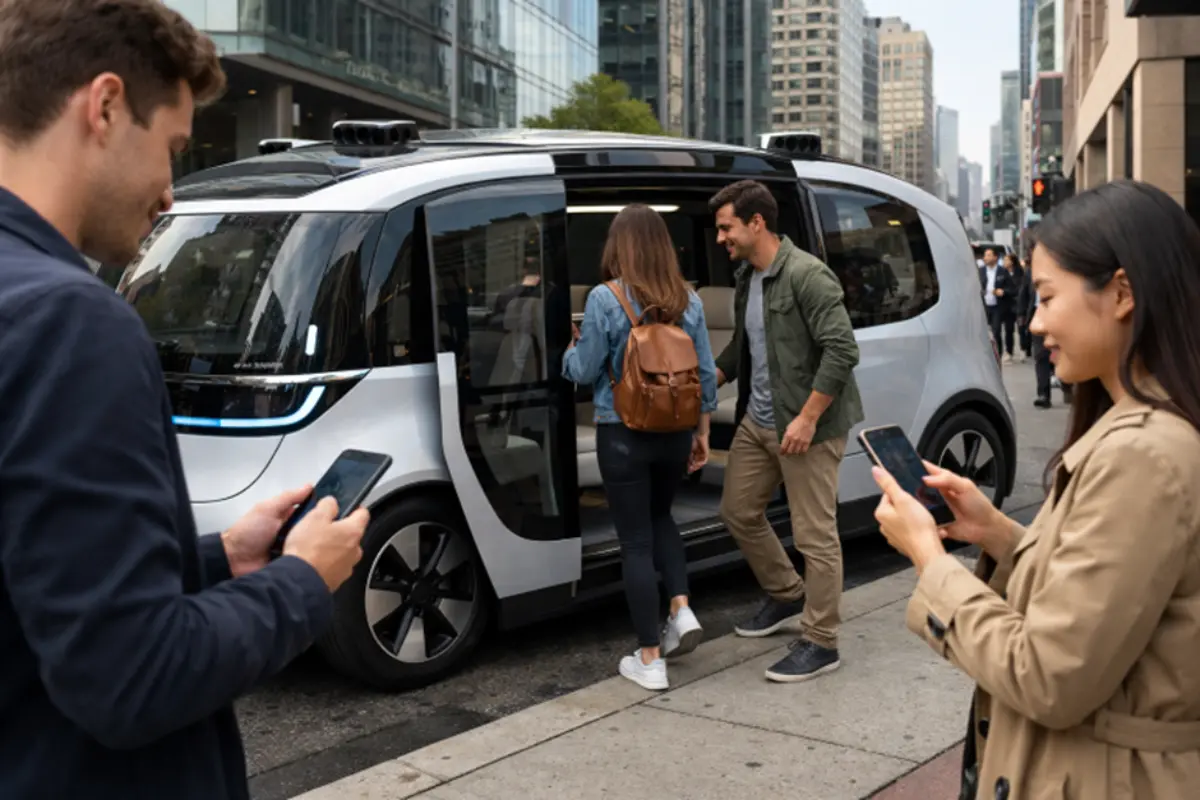
As cities adopt innovative transportation technologies, selecting the right autonomous ride service is pivotal in shaping urban mobility. Understanding the unique considerations for your city helps ensure smarter investments and better long-term outcomes. Informed urban planners and residents must weigh several critical factors before integrating services such as robotaxi into their transportation networks.
Tapping into the wide array of AV options means addressing the complex interplay of regulatory, technological, and social factors. New opportunities for safer, more efficient urban journeys are arising. With the proliferation of autonomous vehicle service providers, decision-makers need unbiased expertise to find the most suitable fit for their locality.
Table of Contents
Understanding Your City’s Needs
No two cities share the same transportation challenges. High-density urban centers often struggle with congestion and last-mile connectivity, while suburban areas may face limited public transit and longer average trip lengths. Planners need to analyze local traffic patterns, transit gaps, demographic trends, and commuter expectations to tailor an AV solution that effectively addresses these pain points. Understanding your city’s needs is the first step to meaningful implementation.
Factors such as the prevalence of personal vehicles, average commute distances, and the existing ecosystem of shared mobility options all inform these decisions. If public transport is robust but underutilized, AVs might serve as complementary first- or last-mile connectors. In regions with high car ownership and limited public transportation options, AVs play a more direct role in reducing congestion and emissions.
Evaluating Available Autonomous Services
The autonomous vehicle industry is evolving quickly, with pilot programs and deployment initiatives emerging in communities across the country. Because technologies, operating approaches, and service capabilities can vary significantly, it is important to evaluate available options carefully. Consider solutions tested in environments similar to your city’s conditions, and review case studies to understand better expansion strategies, system reliability, and the practical considerations involved in introducing autonomous transportation to new areas.
It is also beneficial to assess factors such as fleet scalability, existing support infrastructure, strategic collaborations, and feedback from users who have experienced these services firsthand. Autonomous mobility offerings may range from fixed-route transportation to flexible, on-demand services, each designed to address different travel needs. Selecting an approach that complements your community’s land-use patterns, population density, and mobility demands can help maximize efficiency, accessibility, and long-term success.
Assessing Infrastructure Requirements
Successful AV integration often requires modernizing city infrastructure. Dedicated lanes, sensorized traffic lights, improved signage, and robust connectivity networks strengthen AV performance and safety. Conduct a comprehensive audit of existing infrastructure to identify gaps that need to be bridged before deployment. Coordination with telecom providers and public works departments will streamline this process.
Properly maintained roadways, smart intersections, and clear traffic management protocols not only support AVs but also benefit human drivers, public transit, and vulnerable road users such as cyclists and pedestrians. Investing in digital infrastructure, such as high-speed wireless networks required for vehicle-to-everything (V2X) communication, is as vital as physical upgrades.
Considering Regulatory and Safety Standards
AVs must comply with evolving local, regional, and federal regulations. Planners should thoroughly review safety track records and legal frameworks in comparable cities. This research offers guidance while avoiding regulatory pitfalls, especially as AV technology outpaces legislation.
City officials must also consider cybersecurity, data privacy, and accessibility requirements. Reviewing best practices from cities with established AV fleets can help identify policy gaps. For example, California’s approach to AV safety and regulations provides a blueprint for creating policies that protect residents while fostering innovation.
Analyzing Cost and Economic Impact
Integrating autonomous vehicles is a significant investment, but the potential returns are considerable. Savings from reduced congestion, lower accident rates, and optimized public space can be substantial. A detailed cost-benefit analysis helps identify both direct financial impacts and broader economic benefits.
Estimate expenditures, including procurement, maintenance, digital infrastructure upgrades, and workforce training. Account for potential shifts in employment and new economic opportunities, such as AV-related startups. Striking a balance between upfront investment and longer-term value creation ensures sustainable growth for your city.
Engaging with Community Stakeholders
Community engagement is key to a successful AV rollout. Involving residents, businesses, and advocacy organizations in the planning process encourages buy-in and helps anticipate concerns, such as accessibility or equitable service coverage. Open forums, surveys, and pilot programs provide valuable feedback to shape service parameters and deployment strategies.
Transparency about benefits and limitations fosters trust. Cities that prioritize inclusive dialogue will develop AV solutions aligned with the needs and aspirations of all stakeholders. Frequent community updates, clear communication of project timelines, and responsiveness to feedback all help establish a solid foundation of support. Creating informational workshops or engagement days can further educate the public and encourage a sense of shared ownership over new mobility solutions.
Accessibility and Equity in Autonomous Ride Services
When introducing an autonomous ride service, cities should ensure that the technology benefits a wide range of residents rather than only people living in well-connected or affluent areas. Accessibility should be considered from the beginning, including services for older adults, people with disabilities, and passengers who may have limited access to smartphones or digital payment methods.
Vehicles and booking systems should support wheelchair users, visual or hearing impairments, and other accessibility needs. Cities should also examine whether autonomous services provide adequate coverage in underserved neighborhoods where traditional transportation options may be limited.
Affordability is another important consideration. If autonomous rides are priced too high, the service may fail to provide meaningful transportation benefits to lower-income residents. Cities can explore partnerships, discounted fares, or integration with existing public transportation programs to improve accessibility.
Equitable deployment also requires monitoring service availability across different neighborhoods. Data on trip requests, wait times, cancellations, and usage patterns can help officials identify areas that are being overlooked.
By treating accessibility and equity as core planning requirements, cities can create autonomous transportation systems that improve mobility for more residents while building greater public trust and long-term acceptance.
Monitoring and Adapting to Technological Advancements
Autonomous vehicle technology is changing rapidly. Cities must remain agile, continuously monitoring industry developments, regulatory changes, and emerging best practices. Establish processes for ongoing evaluation and adaptation, such as pilot programs or iterative service deployment, that allow your city to benefit from the latest advances while minimizing disruptions.
By staying informed and flexible, urban planners can maximize benefits, avoid obsolescence, and ensure that AV integration keeps pace with technological progress. Resources such as Bloomberg CityLab offer valuable insight into new policies and global trends in city transportation planning. Networking with other cities and attending industry conferences provides firsthand knowledge of what works best in real-world scenarios, enabling your city to remain a leader rather than a follower in smart mobility initiatives.
Conclusion
Selecting the right autonomous ride service is an evolving process that requires ongoing investment, collaboration, and learning. By systematically evaluating your city’s transportation needs, available service providers, infrastructure requirements, and long-term economic impacts, urban planners and residents can make responsible choices. Transparent community engagement and a forward-looking approach to technology will lead to better mobility, improved safety, and enhanced quality of life. Ultimately, success comes from proactively addressing challenges, nurturing public trust, and continuously optimizing solutions to meet the ever-evolving demands of city life.
Also Read: How to Determine the Ex-dividend Date for a Particular Stock