
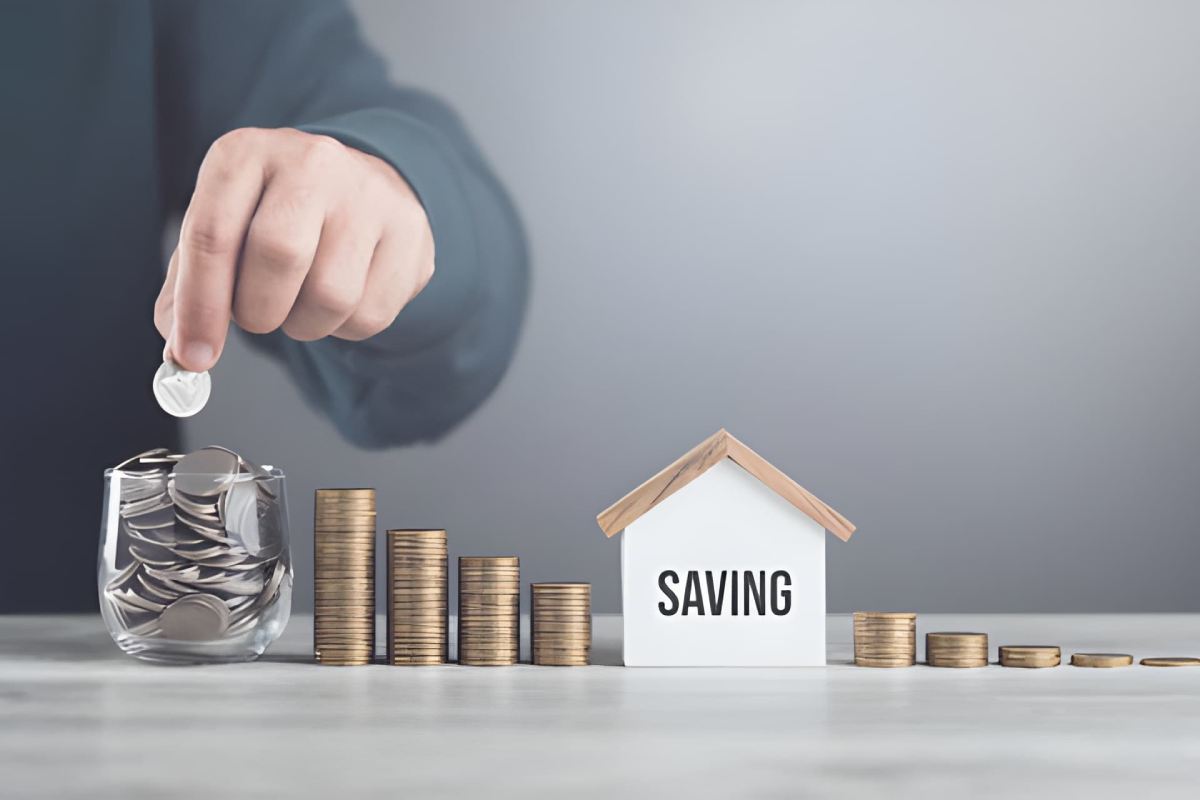
Buying your first home in 2026 isn’t a gentle, linear journey anymore—it’s a battlefield. The old “save 20% and wait” rule? Dead. The median age for first-time buyers is now 40, not late 20s, because the system has rigged itself against the cautious.
Rising home prices, low-rate lock-ins, and high rents have created an Affordability Chasm that punishes procrastination. Mathematically, delaying a home purchase by even 10 years can cost a young entrants hundreds of dollars in lost equity. However, to move off the sidelines, younger buyers can now escape the “20% down” myth using specific strategies that flip saving bottlenecks into leverage.
In modern real estate acquisition, “saving” is not as putting money in a jar, but as capital allocation.
Table of Contents
1. Identify the Barriers to Entry and Plan Strategically
The truth? Getting your first home isn’t impossible—it’s just brutally unfair if you play by the old rules. You’re up against three major hurdles:
- Velocity Gap: Houses appreciate faster than a savings account can keep up. Your 20% down is moving farther away by the month.
- Rent Trap: Every paycheck spent on rent is a paycheck you’ll never get back.
- Information Asymmetry: They want you to think you need perfect credit and a massive stash to qualify—don’t buy that lie.
You can fight back. Audit your cash flow, analyze living alternatives, and craft a plan where every dollar works as hard as you do. Suddenly, the “first home” doesn’t feel like a mythical milestone—it feels like a tactical objective you can actually hit.
An experienced real estate agent provides the heavy machinery to break through these barriers. Dedicated Houston Realtors don’t just find you a house; they engineer a way for you to own it. Instead of letting you save for another two years, an experienced agent finds “Off-Market” opportunities or “Shadow Inventory” before it hits the public portals.
2. Smart Saving Tactics: The “Architect” Approach
Stop thinking like a saver. Start thinking like a builder.Net-Worth vs. Savings Accounts: High-yield CMAs tied to market indexes grow your money faster than letting it sit idle.
- House Hacking & ADUs: Experienced real estate agents provide insight strategy of buying a primary residence (usually with a low-down-payment loan like a 3.5% FHA) and renting out portions of it to cover your mortgage; you buy a place that pays you back.
- Strategic Debt Recasting: Low-interest student loans? Don’t kill your leverage. Channel that cash toward acquiring an appreciating asset instead.
This is radical. Your first home becomes more than a place to sleep—it’s a financial tool. You’re not hoping for luck; you’re designing opportunity.
3. Leverage Guarantees and Risk-Mitigation Tools
Fear kills first-time buyers faster than prices. Modern strategies kill fear:
Psychology of safety in real estate is dominating. For most first-time buyers, the barrier to entry isn’t just “the price” on the tag; it’s the paralyzing fear of making a massive financial mistake.Fear kills first-time buyers faster than prices. Curated and modern transactional real estate pillars help kill entry fear:
- Buyers-in-Waiting Database: Tap into pre-qualified buyers so you can move confidently, knowing your exit strategy is built in.
- Rapid Offer Programs: Cash offers in 24 hours remove the stress of contingent moves. You act decisively while others wait nervously.
- Price Assurance Guarantees: “Your Price is Our Promise®” ensures you don’t overpay, turning uncertainty into clarity.
Working with a team that guarantees results is like strapping on armor. You can make bold moves, negotiate smarter, and finally treat the market as a place of opportunity—not anxiety.
4. Optimize Entry ThroughMarket Insight and Incentives
Buying isn’t about luck—it’s about foresight.
- Target Growth Neighborhoods: Predictive analytics reveal which Houston areas are about to explode. Invest where appreciation is built in.
- New Construction Credits: Builders’ rate buy-downs can drop 7% rates to 4.5–5%, giving you instant purchasing power.
- Strategic Timing: School zones, transit expansions, and employment hubs matter—time your entry for maximum leverage.
This is how you turn first-time buying from guessing into strategy. You enter the market informed, armed with leverage, and with confidence that your first home is a launchpad, not a trap.
In essence, in 2026, the Grand Advantage of these smart saving and entry strategies is Time-Arbitrage. By using “cheat codes” like House Hacking, low-down-payment leverage, and ADUs, a young buyer buys back a decade of their life. Instead of spending their 30s as a wealth-builder for a landlord, they become a wealth-builder for themselves. With expert guidance on such strategies by an experienced real estate agent, the biggest win isn’t just “owning a home”—it is Asset Velocity with Early Compounding. Entering the market at 28 instead of 40 means an extra 12 years of principal pay-down and market appreciation. On a standard Houston home, that is a difference of roughly $250,000 to $400,000 in net worth by age 50.